
TEM Readiness: How to Know If Your Organization Is Ready for technology expense control.
TEM readiness means having enough inventory, invoice, supplier, contract, ownership, workflow, and reporting context to launch or improve a Telecom Expense Management program without turning it into a disconnected data cleanup project.
The right readiness plan helps teams understand what data exists, what is missing, who owns decisions, which suppliers matter, which invoices need control, and where the first operating wins should come from.
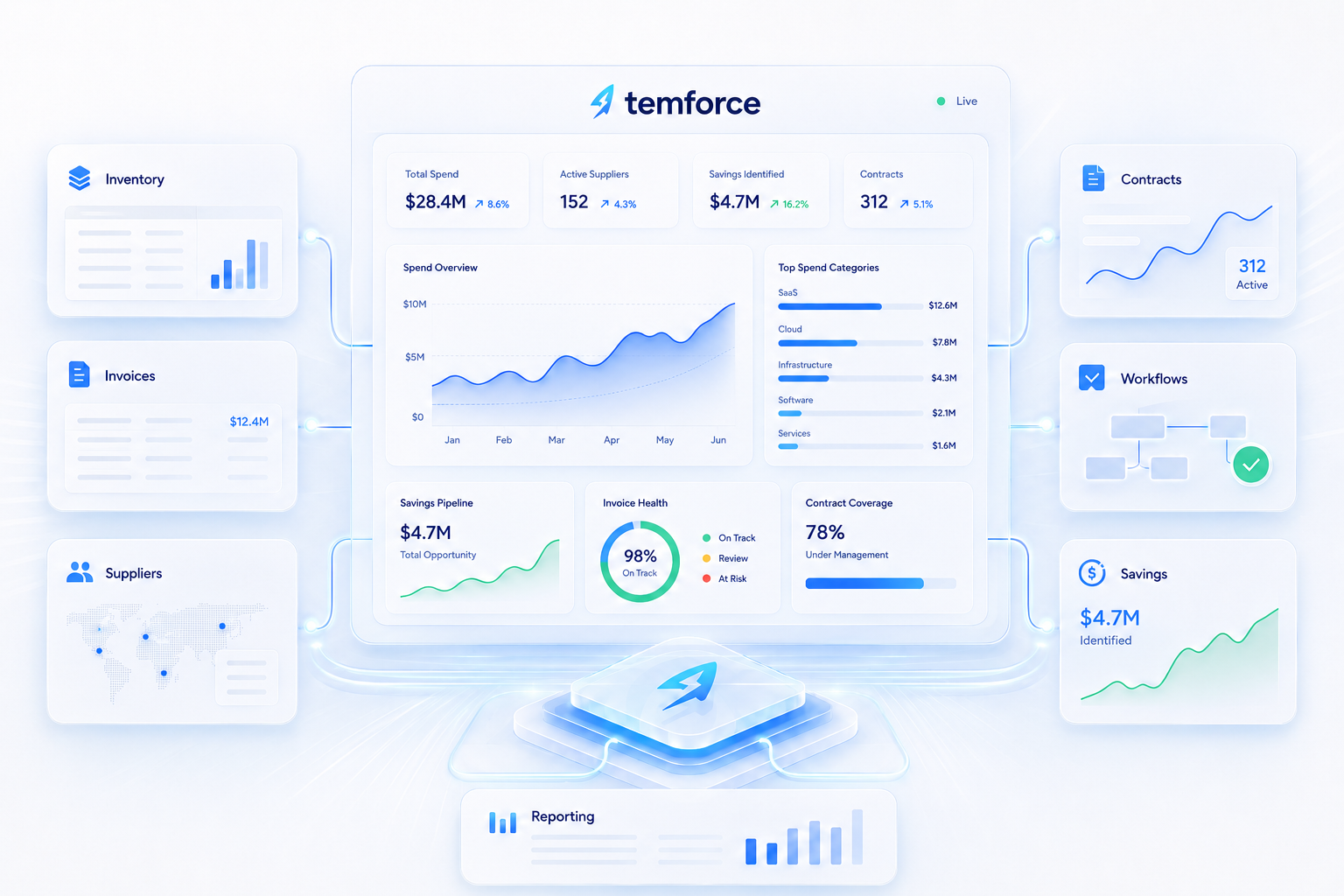
What does TEM readiness mean?
TEM readiness is the ability to move from fragmented telecom expense activity into a structured operating model. It means the organization knows enough about the data, people, suppliers, invoices, contracts, workflows, and reporting needs to begin executing with control.
Inventory, billing accounts, suppliers, services, locations, owners, contracts, and cost centers need enough structure to support invoice validation and workflow execution.
Requests, approvals, invoice exceptions, disputes, supplier follow-up, renewals, disconnects, and savings actions need visible paths and owners.
Teams need clarity on the business case, reporting expectations, savings goals, supplier priorities, and the operating metrics leadership expects to see.
Readiness is not about having perfect data. It is about knowing where to start with control.
Most TEM initiatives stall because teams try to solve every data problem before they create operating value. The better approach is to identify the records, invoices, suppliers, owners, and workflows that matter most, then phase the work in a way that creates control quickly.
Temforce helps teams move from current-state confusion into a practical TEMOps path that connects inventory truth, invoice control, supplier action, workflow ownership, and savings proof.
A strong TEM program needs readiness across six operating areas.
Before launching or improving TEM, teams should understand the current state of inventory, invoices, suppliers, contracts, workflows, and reporting expectations.
Teams need a starting view of active services, mobile lines, circuits, assets, accounts, suppliers, locations, owners, cost centers, and lifecycle status.
Invoices should be tied to billing accounts, suppliers, service categories, approval paths, exception types, disputes, credits, recoveries, and allocations.
Supplier contacts, escalation paths, billing accounts, contract obligations, service scope, correction requests, and issue history should be visible.
Readiness improves when terms, pricing, amendments, commitments, renewal windows, obligations, and supplier coverage can be connected to spend.
Requests, approvals, invoice exceptions, disputes, supplier follow-up, disconnects, MACD activity, and renewal actions need clear owners and status.
Leadership needs reporting that shows spend, risk, savings, exceptions, supplier issues, contract exposure, workflow progress, and TEMOps performance.
Use readiness questions to separate launch blockers from cleanup work.
A TEM program does not need perfect records to begin. It needs enough clarity to know what matters first, who owns decisions, where risk exists, and how the first phase should be governed.
| Readiness area | Question to answer | Why it matters |
|---|---|---|
| Inventory | Do we know which services, assets, accounts, suppliers, locations, and owners are in scope? | Invoice validation, supplier accountability, sourcing, renewals, and savings proof depend on a trusted operating record. |
| Invoices | Do we know which invoices and billing accounts need validation first? | Starting with high-value or high-risk billing areas creates faster control and earlier business value. |
| Suppliers | Do we know which suppliers drive the most spend, risk, or issue volume? | Supplier prioritization helps focus escalation, contract review, dispute follow-up, and sourcing strategy. |
| Contracts | Do we know upcoming renewals, commitments, pricing terms, and obligations? | Renewal visibility helps prevent missed negotiation windows, unmanaged commitments, and weak supplier leverage. |
| Ownership | Do we know who owns services, approvals, exceptions, requests, and supplier action? | Visible ownership prevents work from sitting in inboxes, spreadsheets, carrier portals, and disconnected status notes. |
| Reporting | Do we know what leadership needs to see monthly or quarterly? | Reporting expectations shape the data model, workflows, savings tracking, and TEMOps operating rhythm. |
Readiness improves when teams connect data quality to real operating work.
The goal is not to create a perfect database before action begins. The goal is to organize the records that help teams validate invoices, manage suppliers, govern workflows, report outcomes, and build confidence.
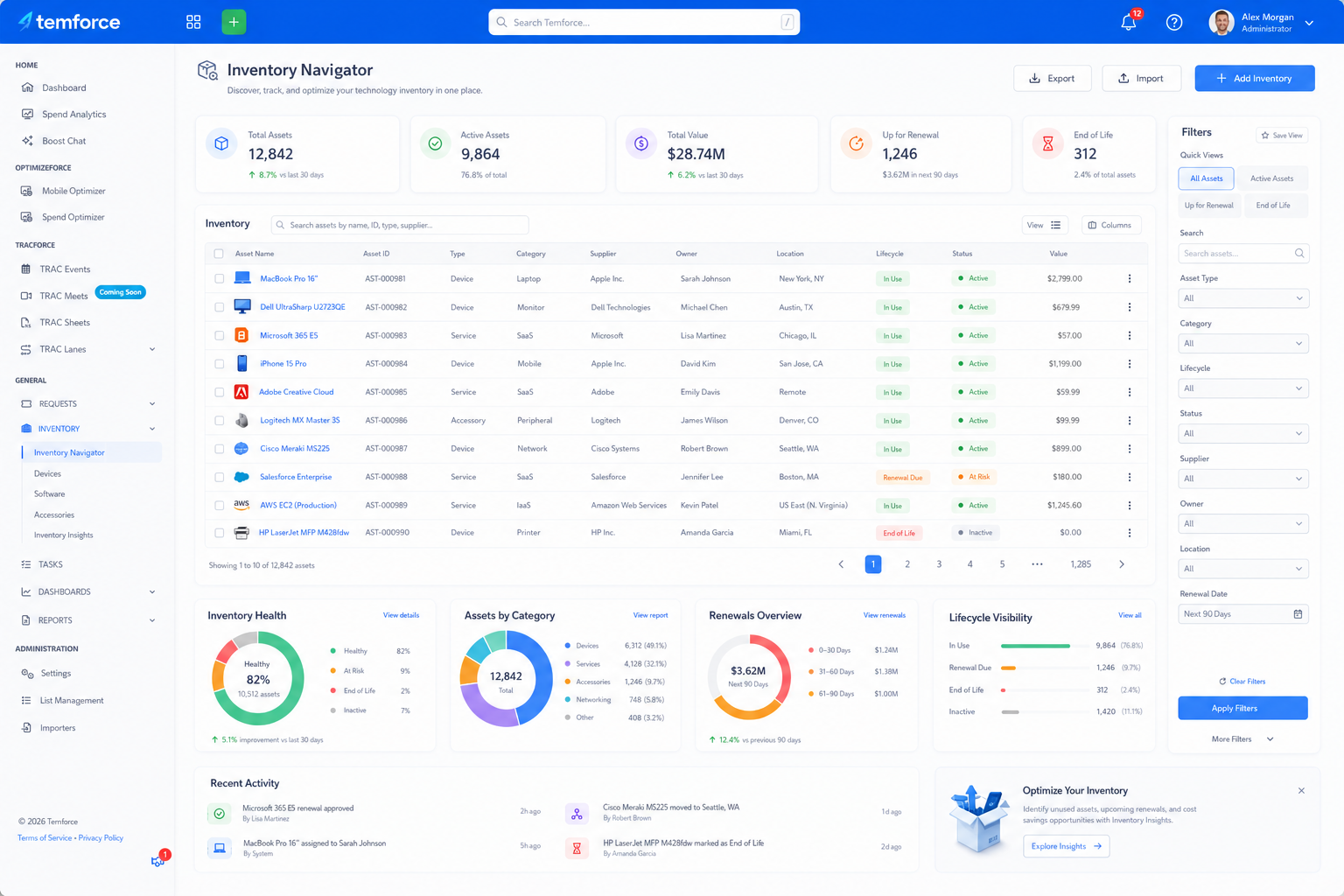
Start with the records that support invoice confidence.
Inventory readiness does not mean every field is perfect. It means the core operating records are strong enough to understand what is active, who owns it, who bills it, where it lives, and whether it should still be charged.
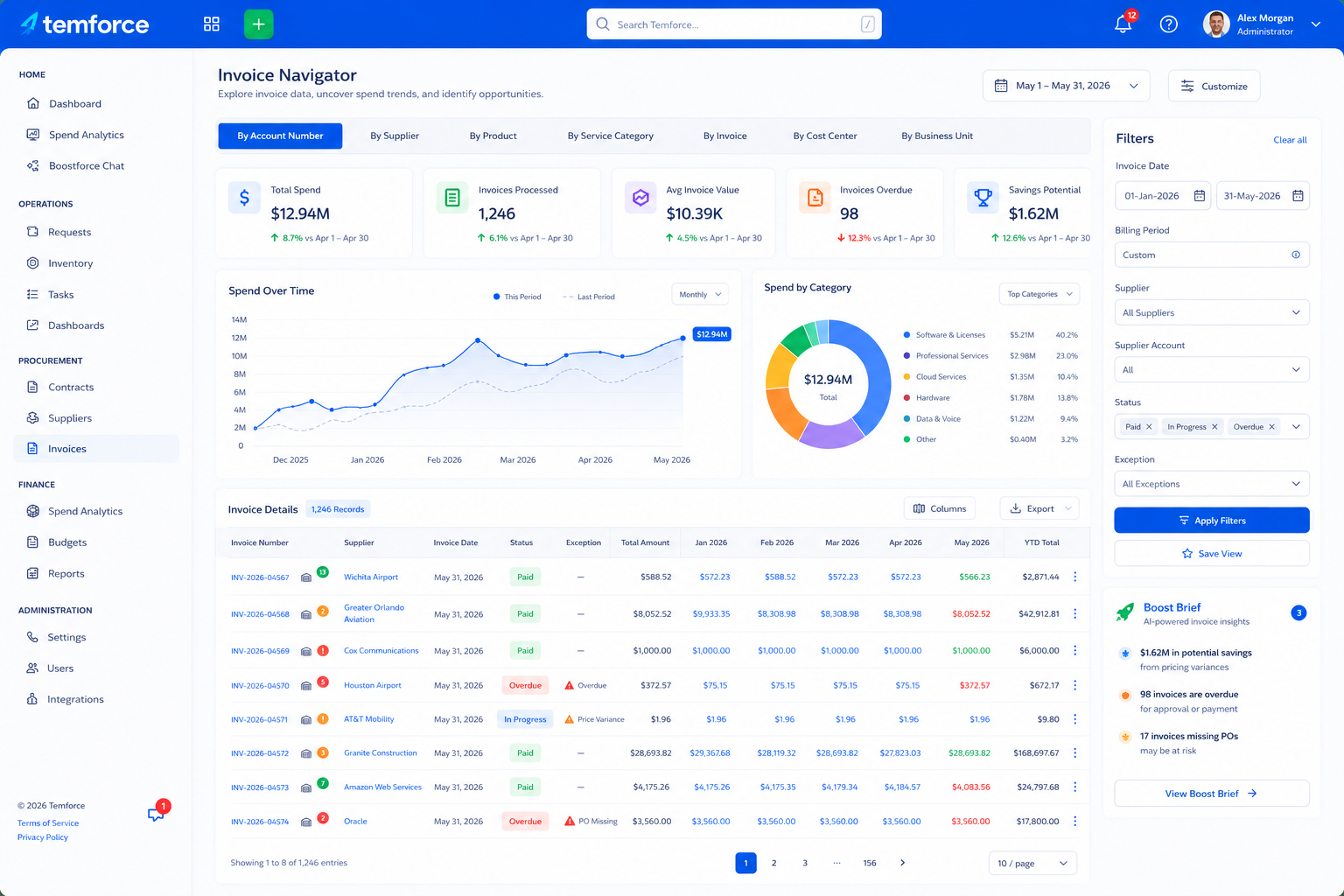
Know which invoices need control first.
Invoice readiness means teams know which suppliers, billing accounts, invoice types, cost centers, and exception areas matter most. This helps the program create visible control before every invoice is automated.
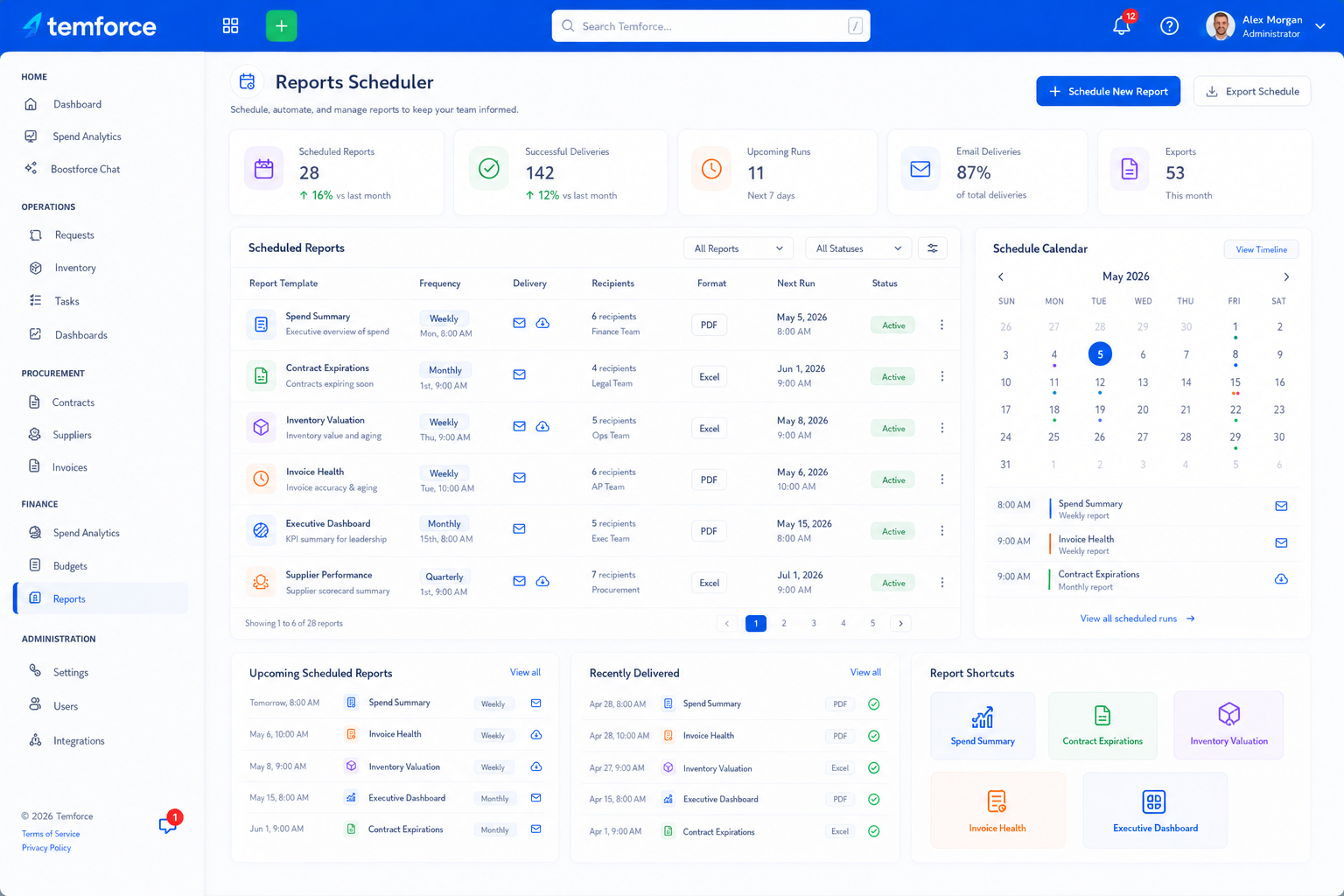
Define the story leadership needs to trust.
Reporting readiness helps teams understand what leadership needs to see, how often they need it, and which data must be connected to prove progress, risk, savings, supplier action, and workflow performance.
Continue the Technology Expense Management guide.
Move through the full guide path from TEM basics into benefits, readiness, solution design, strategy, platform maturity, ROI, and implementation planning.
What Is TEM?
Understand the meaning of Telecom Expense Management and how modern TEM evolved into a broader operating model for technology expense control.
TEM Benefits
See how TEM improves inventory accuracy, invoice control, supplier accountability, savings proof, governance, and executive visibility.
TEM Readiness
Learn what needs to be in place before launching, replacing, or improving a TEM program across data, owners, suppliers, and invoices.
TEM Solution
Understand what a TEM solution should manage and how software, services, workflows, reports, and operating support fit together.
TEM Strategy
Build a stronger operating model for telecom and technology expense control with governance, sourcing, supplier management, and savings proof.
Modern TEM Platform
See what a modern TEM platform should connect across software, services, inventory, invoices, suppliers, workflows, AI, reporting, and TEMOps execution.
TEM ROI
Measure TEM value through recoveries, credits, avoided cost, disconnect savings, supplier correction, time savings, and operating efficiency.
TEM Implementation Plan
See how to roll out TEM in a practical way by aligning inventory, invoices, suppliers, contracts, workflows, owners, and reporting.
TEM Readiness FAQ.
Use these answers to understand what teams should assess before launching or improving a TEM program.
What is TEM readiness?
TEM readiness is the ability to launch or improve a Telecom Expense Management program with enough inventory, invoice, supplier, contract, ownership, workflow, and reporting context to create operating control.
Does TEM readiness require perfect inventory data?
No. TEM readiness does not require perfect inventory data. It requires enough trusted records to begin validating invoices, assigning ownership, managing suppliers, supporting workflows, and improving data quality over time.
What should teams review before starting TEM?
Teams should review inventory, invoices, suppliers, contracts, owners, approval paths, disputes, credits, renewals, reporting needs, and the business outcomes leadership expects from the TEM program.
Why do TEM programs fail readiness checks?
TEM programs often fail readiness checks when data is scattered, ownership is unclear, invoices are disconnected from inventory, supplier records are incomplete, workflows are undefined, and leadership reporting expectations are not clear.
How does Temforce help with TEM readiness?
Temforce helps with TEM readiness by connecting software, managed services, inventory truth, invoice control, supplier accountability, workflow execution, reporting, Boostforce AI, and TEMOps expertise.
Build TEM on a foundation of operating readiness.
Temforce helps teams move from scattered telecom expense activity into a practical TEMOps path across inventory, invoices, suppliers, contracts, workflows, reporting, services, and implementation planning.
